
Add Your Heading Text Here
Add Your Heading Text Here
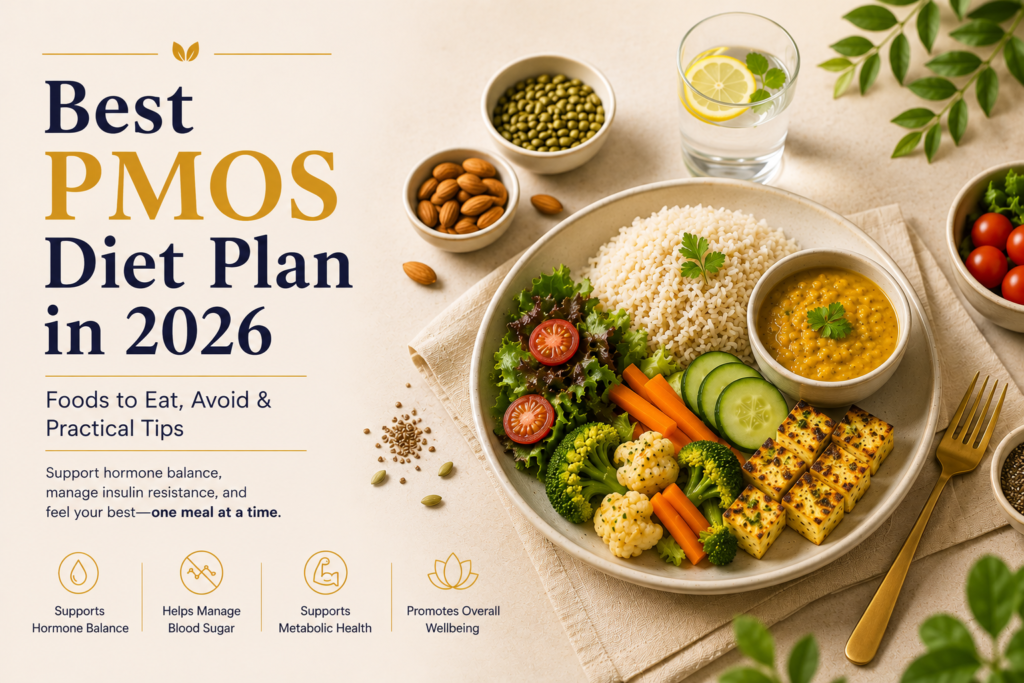
Best PMOS Diet Plan in 2026: Foods to Eat, Avoid & Practical Tips
If you’ve been struggling with constant fatigue, stubborn weight that won’t budge, intense cravings, or irregular periods, you already know how deeply diet can affect how you feel every single day. The good news? With the updated understanding of Polyendocrine Metabolic Ovarian Syndrome (PMOS) in 2026, focusing on supportive nutrition is one of the most empowering steps you can take.
This isn’t about strict rules, deprivation, or another “perfect” diet that’s impossible to follow. It’s about making kind, sustainable choices that help stabilize blood sugar, support hormone balance, reduce inflammation, and give you more steady energy and confidence.
Important Disclaimer: This article is for informational purposes only and is not medical advice. PMOS management is highly individual. Please consult your doctor, endocrinologist, or a registered dietitian before making significant dietary changes, especially if you have other health conditions or are on medication.
Why Diet is Crucial for PMOS (Especially Insulin Resistance)
At the heart of many PMOS challenges is insulin resistance — a state where your body needs more insulin to manage blood sugar. This can worsen androgen levels, disrupt ovulation, promote weight gain (especially around the belly), and contribute to fatigue and cravings.
A supportive diet helps by:
- Keeping blood sugar and insulin levels more stable
- Reducing inflammation
- Supporting healthy hormone production
- Making weight management feel more achievable
- Improving energy, mood, skin, and cycle regularity over time
Research consistently shows that patterns like low-GI (glycemic index), Mediterranean-style, and anti-inflammatory eating are particularly helpful for PMOS.
The goal isn’t perfection — it’s progress with meals you actually enjoy and can sustain long-term.
| Eat More Often | Limit When Possible |
|---|---|
| Low GI Rice | Refined White Rice |
| Vegetables | Sugary Drinks |
| Lean Proteins | Processed Snacks |
| Healthy Fats | Refined Carbs |
Best Foods for PMOS
Focus on whole, minimally processed foods that are rich in fiber, protein, and healthy fats while being naturally lower on the glycemic index.
Prioritize these:
- Non-starchy vegetables — Spinach, kale, broccoli, cauliflower, bell peppers, zucchini, ladies finger (okra), bottle gourd, brinjal, leafy greens. Aim for half your plate.
- High-fiber foods — Legumes (moong dal, rajma, chickpeas, lentils), whole grains, chia seeds, flaxseeds.
- Lean proteins — Eggs, paneer, Greek yogurt (unsweetened), chicken, fish, tofu, lentils, beans. Protein helps you feel full and supports muscle health.
- Healthy fats — Avocados, nuts (almonds, walnuts), seeds (flax, pumpkin, chia), olive oil, ghee in moderation.
- Low-GI fruits — Berries, apples, guava, pears, citrus fruits (in moderation, paired with protein/fat).
- Whole grains & millets — Ragi, jowar, bajra, oats, quinoa, brown rice (limited portions).
These foods help you stay satisfied while supporting metabolic health.
Foods to Limit or Minimize
It’s not about banning foods forever, but reducing those that can spike blood sugar or inflammation:
- Refined carbohydrates (white rice, maida, white bread, sugary cereals)
- Added sugars (sodas, sweets, packaged juices, sweetened yogurt)
- Highly processed foods and trans fats (fried snacks, packaged namkeen, bakery items)
- Excessive caffeine or alcohol
- High-GI starchy foods in large portions (potatoes, white rice daily in big amounts)
Try the “80/20” approach: make nourishing choices most of the time, and allow flexibility for special occasions without guilt.
Smart Carb Swaps: Enjoy Rice Without the Spike
Many Indian women love rice-based meals — khichdi, pulao, curd rice, or biryani. You don’t have to give them up completely.
If you love rice but want better blood sugar support, trying a low GI rice like Gatti Fit Grain can be a simple and tasty upgrade for your regular rotis-rice meals. It digests more gradually, helping maintain steadier energy without major changes to taste or tradition.
How to use it:
- Replace regular white rice in khichdi (add more dal and veggies)
- Use in vegetable pulao with paneer or chicken
- Pair curd rice with cucumber, roasted jeera, and a side of dal
- Combine with fiber and protein (e.g., rice + dal + sabzi + curd) to further lower the overall meal GI
Daily PMOS Diet Checklist
- Include protein in every meal
- Fill half your plate with vegetables
- Choose low GI carbohydrates
- Stay hydrated throughout the day
- Limit sugary beverages and snacks
- Prioritize consistent meal timing
This small swap can make a big difference in how you feel after meals.
Sample 7-Day Indian-Friendly PMOS Meal Plan
| Meal | Ideal Composition |
|---|---|
| Breakfast | Protein + Fiber + Healthy Fat |
| Lunch | Vegetables + Protein + Low GI Carbs |
| Snack | Protein or Healthy Fat |
| Dinner | Protein + Vegetables + Light Carbs |
This is an approximate 1600–1800 calorie example (adjust based on your needs). Focus on balance: half veggies, quarter protein, quarter complex carbs + healthy fats. Drink plenty of water, herbal teas, or buttermilk.
Day 1
- Breakfast: Ragi dosa + sambar + coconut chutney (small) + boiled egg or paneer
- Mid-morning: Apple + handful almonds
- Lunch: Gatti Fit Grain Low GI rice + moong dal + mixed vegetable sabzi + salad + curd
- Evening snack: Greek yogurt with flaxseeds and cinnamon
- Dinner: Grilled paneer or chicken + lots of stir-fried veggies + jowar roti (1)
Day 2
- Breakfast: Vegetable oats upma + handful roasted chana
- Mid-morning: Guava + walnuts
- Lunch: Jowar roti (2) + rajma curry + palak sabzi + raita
- Evening: Buttermilk with roasted cumin
- Dinner: Moong dal khichdi (with Gatti rice, more dal) + cucumber salad
Day 3
- Breakfast: Moong dal cheela + mint chutney + paneer bhurji
- Mid-morning: Orange + pumpkin seeds
- Lunch: Brown rice (or Gatti Low GI) pulao with veggies + chickpeas + curd
- Evening: Carrot sticks + hummus (or roasted makhana)
- Dinner: Fish/chicken curry (or paneer) + cauliflower sabzi + multigrain roti
Day 4–7:
Rotate similar patterns — vary proteins (eggs, lentils, fish), greens, and millets. Include one lighter day with more soups/salads if desired.
Tips: Prep veggies and dals in advance. Listen to your hunger — eat when genuinely hungry, stop when comfortably full.
Portion Control & Meal Timing Tips
- Use the plate method: ½ vegetables, ¼ protein, ¼ complex carbs.
- Eat every 3–4 hours to avoid extreme hunger or spikes.
- Have dinner 2–3 hours before bed.
- Stay hydrated (2.5–3.5 liters water daily).
- Mindful eating: Chew slowly, eat without screens when possible.
Supplements That May Help (With Caution)
Some women benefit from:
- Inositol (Myo + D-chiro)
- Omega-3 (fish oil or algae)
- Vitamin D (if deficient)
- Magnesium, chromium, or spearmint tea for androgen support
Always get blood tests first and discuss with your doctor. Supplements work best alongside diet and lifestyle — they are not magic pills.
Final Thoughts: Progress Over Perfection
Changing how you eat with PMOS is a journey of self-compassion. Some days will feel easier than others, and that’s okay. Celebrate small wins — more energy, better moods, or just feeling in control of your plate.
Start with one or two changes this week: perhaps swapping your regular rice for a low-GI option or adding more vegetables to lunch.
Next Steps:
- Track how different meals make you feel (energy, cravings, mood).
- Work with a professional for personalization.
- Be patient — benefits often build over weeks and months.
If this guide helped you feel more informed or inspired, we’d love to hear from you. Share your thoughts or questions with us at [gattifoods@gmail.com](mailto:gattifoods@gmail.com), and we’ll be happy to connect with you.