PMOS: Quick Facts
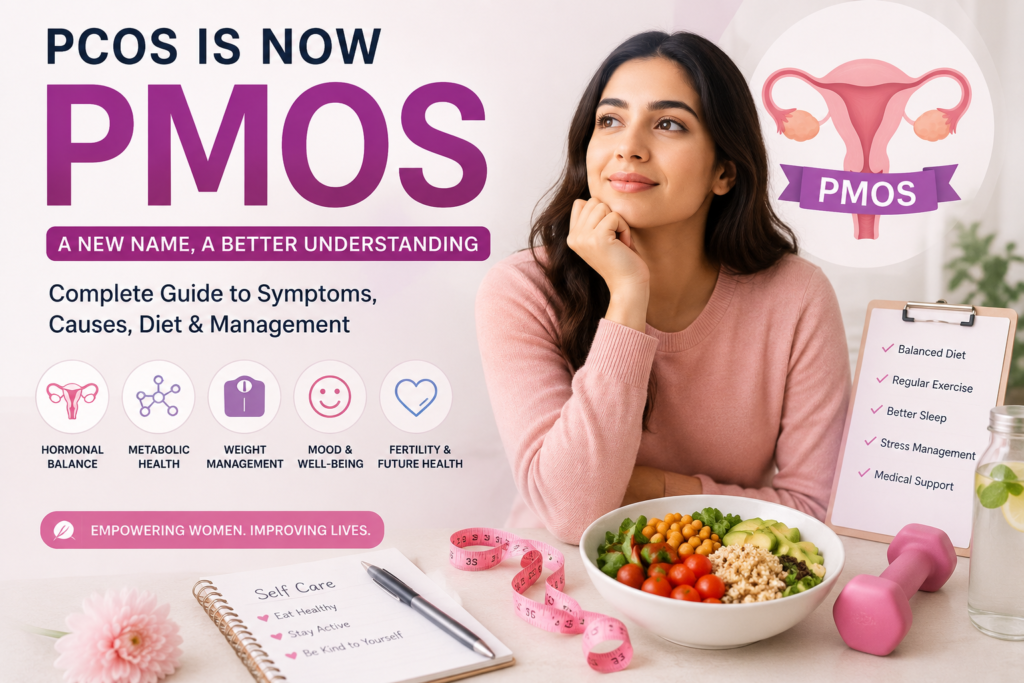
- PMOS is the new name for PCOS announced in 2026.
- It affects hormones, metabolism, fertility and overall health.
- Insulin resistance is a common underlying factor.
- Lifestyle management remains the first line of support.
- Early diagnosis improves long-term outcomes.
Why the Name Changed to PMOS in 2026
For decades, the name “Polycystic Ovary Syndrome” led many to believe it was simply about cysts on the ovaries. In reality, the small follicles seen on ultrasound are often immature eggs that haven’t been released properly – not true pathological cysts. The old name didn’t capture the full picture.
After more than a decade of global collaboration involving thousands of patients and clinicians, the new name Polyendocrine Metabolic Ovarian Syndrome (PMOS) was chosen. It better reflects the condition’s core: complex hormonal (polyendocrine) and metabolic challenges that affect multiple systems in the body.
This change aims to:
- Reduce confusion and stigma
- Improve diagnosis and care
- Encourage more research and better support
The good news? The condition itself, how it’s diagnosed, and how it’s managed haven’t changed – just our understanding of it has grown.
Many have gone years without clear answers. If you’re reading this, know that awareness is growing, and effective management is possible.
| Area |
PCOS |
PMOS |
| Name Focus |
Ovaries |
Hormones, metabolism & ovaries |
| Public Understanding |
Often misunderstood |
More comprehensive |
| Health Impact |
Mainly reproductive perception |
Whole-body condition |
| Management |
Lifestyle + medical support |
Lifestyle + medical support |
What is PMOS and How Does It Differ from the Old Understanding?
PMOS is a hormonal and metabolic condition where the body produces higher levels of androgens (often called “male hormones,” though all women have them) and often struggles with insulin resistance. This disrupts ovulation, menstrual cycles, and energy balance.
It is not just a reproductive issue. It can influence:
- Metabolism and weight
- Skin and hair
- Mood and mental health
- Long-term risks like type 2 diabetes and heart health
Unlike the old view that focused heavily on ovaries, the new understanding highlights the full-body, systemic nature of PMOS.
| Common Symptom |
Possible Underlying Cause |
| Irregular periods |
Disrupted ovulation |
| Weight gain |
Insulin resistance |
| Acne |
Elevated androgen levels |
| Hair thinning |
Hormonal imbalance |
| Fertility issues |
Irregular ovulation |
Causes and Risk Factors
There isn’t one single cause. PMOS often involves:
- Genetics: Runs in families.
- Insulin resistance: Common, where the body needs more insulin to manage blood sugar, which can increase androgen production.
- Hormonal imbalances: Feedback loops between ovaries, brain, and fat tissue.
- Lifestyle and environment: Stress, sleep, diet, and activity levels can influence severity.
It’s not your fault. These are complex biological factors, many of which can be positively influenced through supportive lifestyle choices.
Diagnosis Process
Diagnosis typically requires at least 2 out of 3 key features (updated guidelines still align with Rotterdam criteria, with other conditions ruled out):
- Irregular ovulation/menstrual cycles.
- Clinical or blood-test signs of high androgens.
- Polycystic ovarian morphology on ultrasound (or elevated AMH).
Your doctor may order blood tests (hormones, insulin, glucose, cholesterol) and an ultrasound. Early diagnosis makes management easier.
Lifestyle Management: The Foundation of Feeling Better
Lifestyle changes are often the most powerful first step. Many women see meaningful improvements in energy, cycles, mood, and weight with consistent, compassionate habits — no extremes needed.
Diet for PMOS
A balanced, sustainable approach focusing on blood sugar stability and insulin sensitivity tends to work best. Emphasize whole foods, protein, healthy fats, fiber, and low-to-moderate glycemic index (GI) carbohydrates.
Key principles:
- Eat regular, balanced meals to avoid big blood sugar swings.
- Include plenty of non-starchy vegetables, lean proteins, healthy fats (nuts, seeds, avocado, olive oil), and fiber-rich foods.
- Choose complex carbs wisely.
| Focus More On |
Reduce When Possible |
| Low GI carbohydrates |
Refined sugars |
| Vegetables & fibre |
Sugary beverages |
| Lean proteins |
Ultra-processed foods |
| Healthy fats |
Highly refined carbs |
For women managing insulin resistance, choosing low glycemic index (GI) carbohydrates can help maintain steadier energy levels throughout the day. Many find that swapping regular rice with a low GI rice works well for daily Indian meals like khichdi, pulao, or curd rice without major taste changes. One such option is Gatti Fit Grain Low GI Rice — designed to digest more gradually.
Focus on enjoyment and consistency rather than perfection. Small, sustainable swaps often lead to the best long-term results.
Exercise
Combine strength training (2–3 times/week) with moderate cardio (walking, swimming, cycling). Strength training is especially helpful for improving insulin sensitivity and building muscle, which supports metabolism.
Aim for movement you enjoy — yoga for stress relief, dancing, or brisk walks with a friend. Consistency matters more than intensity.
Sleep and Stress Management
Poor sleep and chronic stress worsen insulin resistance and hormone balance. Prioritize:
- 7–9 hours of quality sleep.
- Stress-reducing practices like mindfulness, deep breathing, journaling, or therapy.
- Gentle boundaries around work and screen time.
These often amplify the benefits of diet and exercise.
Medical Treatments (When Needed)
Lifestyle is foundational, but many benefit from medical support:
- Hormonal contraceptives for regulating cycles and reducing androgens.
- Metformin or other medications for insulin resistance.
- Fertility treatments if trying to conceive.
- Topical treatments or spironolactone for acne/hair growth.
Work closely with your doctor to find what fits your needs and goals.
Long-Term Outlook & Hope
With awareness and management, most women with PMOS lead full, healthy lives. Early action can significantly reduce risks of type 2 diabetes, heart disease, and other complications.
This diagnosis doesn’t define you. Many women report feeling empowered once they understand their body better and build supportive habits.